Pickup location
Butcher House Meats115 Eagle Ave.
Hominy, OK 74035
918-287-0079
We’ll let you know when your beef is ready. Call the processor for current pickup hours.
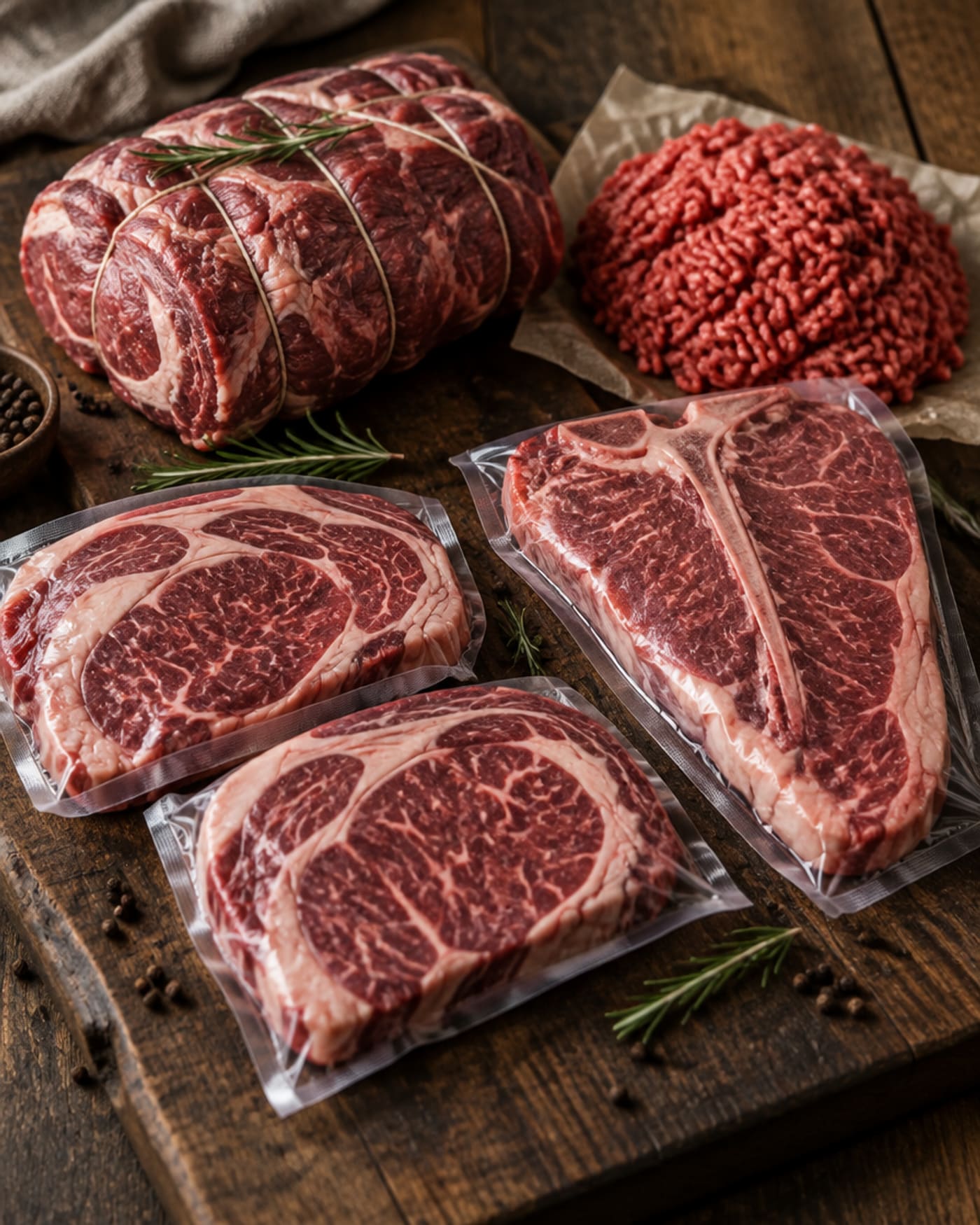
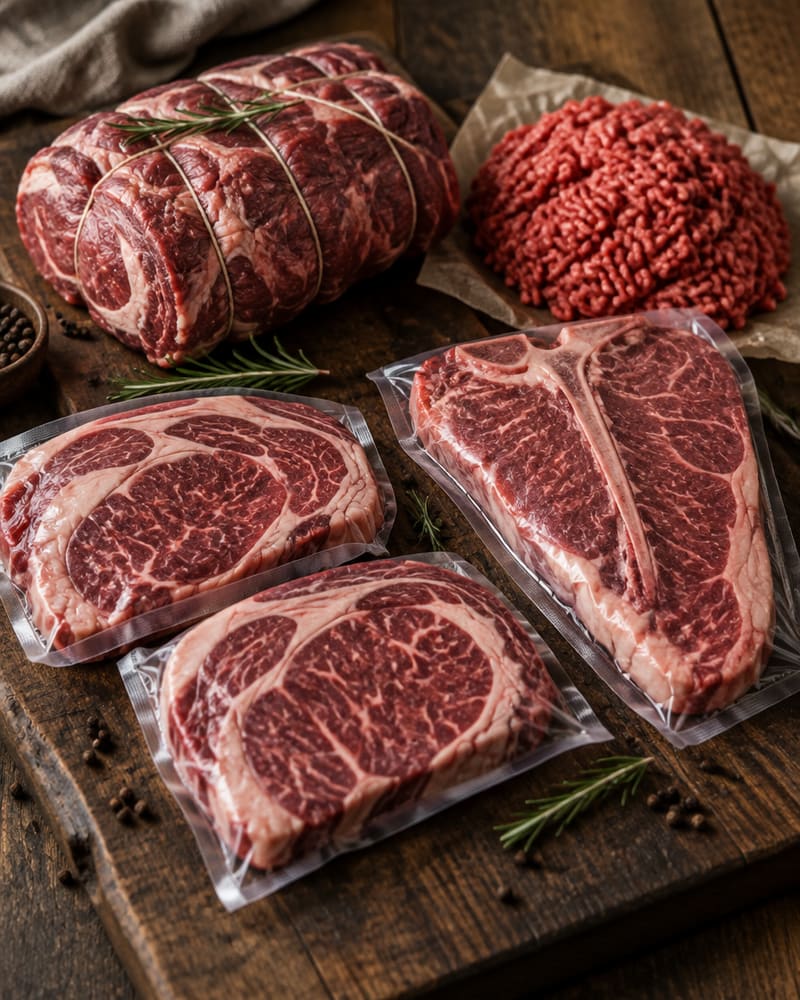
We take your animal to a local processor. It’s cut to your instructions, vacuum-sealed, and ready for you to pick up.
Your beef changes hands twice: from our ranch to the processor, then from the processor to you.
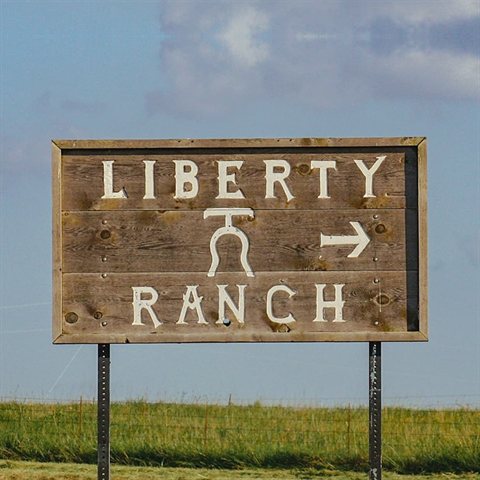 Raised
Near Pawhuska. When your animal is ready, we weigh it, send your final invoice, and deliver it to the processor.
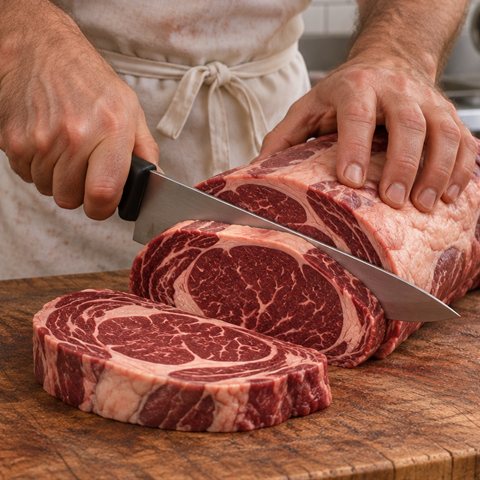 Processed
In Hominy. Your beef is cut to your instructions, vacuum-sealed, and labeled.
 Home
You pick up your boxed beef in Hominy, usually about two to three weeks after we drop off your animal.
Butcher House Meats is the processor we use. We deliver your animal, help you fill out your cut sheet, and stay in touch with them until your beef is ready. They cut and package it, and you pay them for processing when you pick it up.
We’ll let you know when your beef is ready. Call the processor for current pickup hours.
Have your own processor? We’ll deliver your animal to any processor within 50 miles of the ranch. Farther than that, you pick up the live animal at the ranch and haul it yourself. Their prices and schedule may differ from what’s shown here.
You fill out our cut sheet, and we’ll go through it with you. Here’s what you’ll decide.
Not sure what to ask for? Call us at 918-440-7676 and we’ll help you think it through.
Chuck and arm roasts sound alike but cook differently. Knowing which is which helps you fill out your cut sheet.
| Chuck roast | Arm roast | |
|---|---|---|
| Where it’s from | The shoulder | Just below the chuck |
| Fat | More marbling, so it’s very tender cooked slowly | Leaner, with less fat |
| Best for | Pot roast, slow cooker meals, French dip, shredded beef | Pot roast, stew, or a classic roast dinner when you want neat slices |
| How to cook it | Low and slow; the fat melts as it cooks | Slow cooking with a little extra moisture |
Plan your space before pickup day. These are rough guides; your cuts and packaging change the fit.
A freezer full of beef isn’t a deadline. Frozen beef stays safe as long as it stays frozen, and every package is vacuum-sealed to keep out the air that causes freezer burn.
If a package gets a tear or loses its seal, use that one first. Thaw beef in the fridge overnight.